
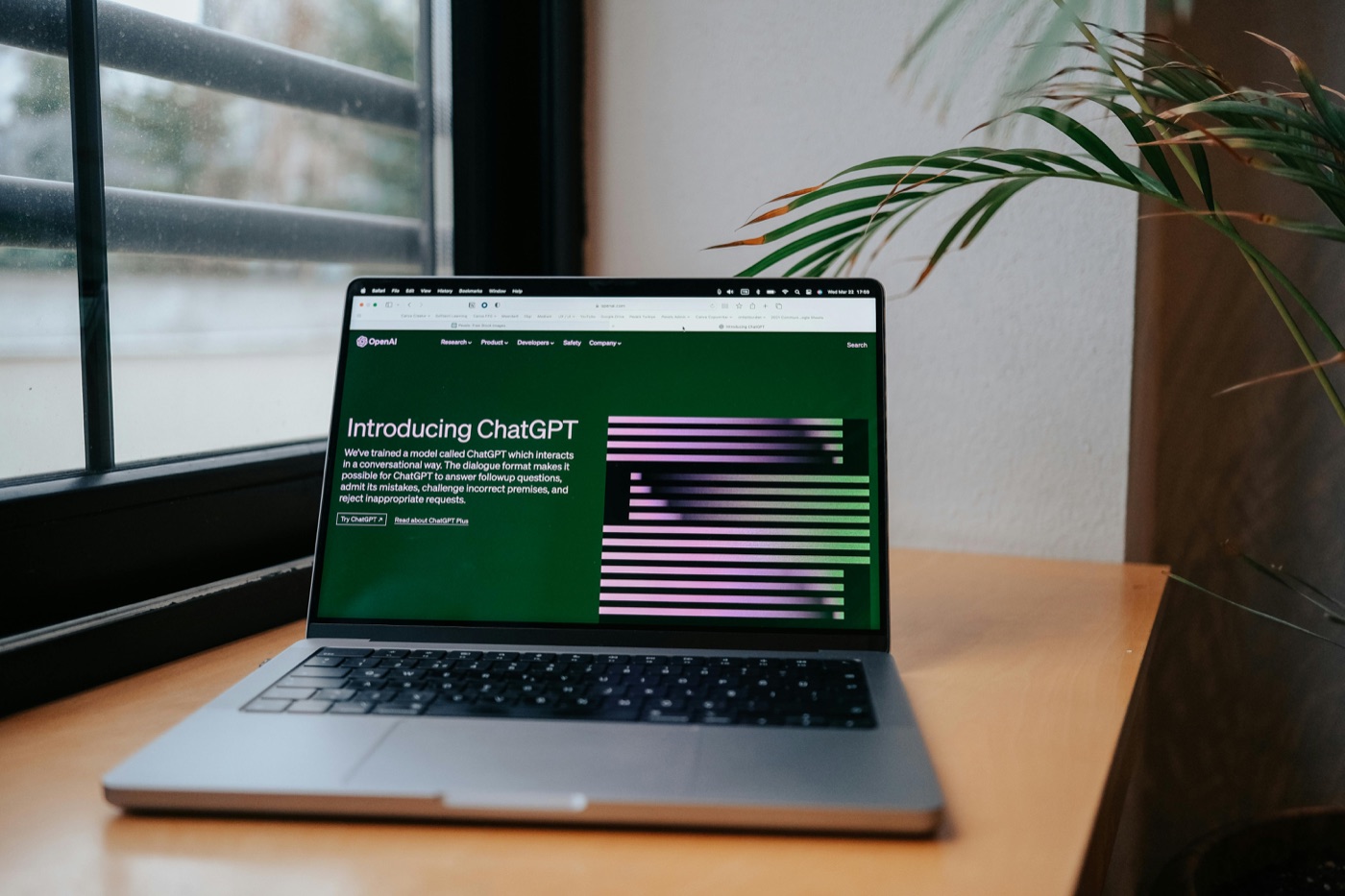
OpenAI has missed internal targets for both revenue and weekly active users, the Wall Street Journal reported on 27 April, raising questions about whether the company can afford the multi-billion-dollar data-centre contracts it has signed. Microsoft amended its partnership to end the exclusivity that had defined the relationship since 2019, and Elon Musk's $150 billion trial against Sam Altman opened in court. AI infrastructure stocks fell across the board.
The miss the market reacted to
Chief Financial Officer Sarah Friar has told colleagues she is concerned the company may not be able to pay for its future compute contracts if revenue does not grow fast enough, according to the people the WSJ spoke to. The shortfall against internal targets covers both subscription and API revenue, and the weekly-active-users metric the company has used as the headline measure of consumer momentum.
The numbers themselves remain undisclosed in absolute terms, but the existence of the gap is the news. For a company that has built its capital plan around exponential user and revenue growth, even a modest miss against internal targets reverberates through every downstream commitment: the GPU contracts, the wafer-scale chip deal with Cerebras (which we covered in a previous post), the data-centre build-outs, and the lease commitments to landlords expecting that AI demand would absorb the supply.
Why Microsoft ending exclusivity matters
The Microsoft amendment matters because Microsoft was the relationship that made OpenAI's compute strategy work. Since 2019, Microsoft Azure had been OpenAI's exclusive cloud provider and the back-stop on capacity. Ending exclusivity means OpenAI can now contract with whichever provider offers the best terms, which is exactly the supplier-diversity move we flagged in the Cerebras post: a hedge against single-vendor dependency.
Microsoft has its own reasons. The company has been steadily building AI capability that no longer depends on OpenAI being the only generative-AI game in town. Allowing OpenAI to source compute elsewhere reduces Microsoft's commercial exposure to OpenAI's revenue trajectory at exactly the moment that trajectory has stopped being a one-way bet.
The market reaction
AI infrastructure stocks moved together on the news. SoftBank, which leads OpenAI's most recent investment round, fell on the Tokyo session. Oracle, contracted to provide a substantial slice of OpenAI's compute capacity, fell in New York. Nvidia and AMD, the chipmakers whose share prices have been the most leveraged proxy for AI infrastructure spend, slid in tandem.
The reaction is the part the AI bull case had been waiting on. Through the AI boom so far, every announcement has been treated as an unalloyed positive for every AI-adjacent stock. The signal here is that the correlation can run in reverse: weakness at one of the central buyers of AI compute is now read as weakness across the supplier base.
The Musk-Altman trial in the background
Running parallel to all of the above, Elon Musk's lawsuit against Sam Altman and OpenAI opened in court. Musk is seeking $150 billion in damages, with the unusual structural detail that any award would go to OpenAI's charitable arm rather than to Musk personally. The case turns on whether OpenAI's transition from non-profit research lab to commercial company in everything but name violated commitments made when Musk was a co-founder and early funder.
Whatever the legal outcome, the trial puts on the public record the same governance and mission tensions that have surfaced repeatedly inside the company since its shift toward commercial scale. OpenAI has also published an updated set of company principles and outlined plans for what it terms superhuman AI.
What this means for UK businesses building AI features
For UK firms with AI features in production or planned, the practical implications are not the news headlines but the structural shifts behind them.
Single-vendor lock-in for AI infrastructure is harder to defend than it once was. If OpenAI itself is now hedging by sourcing from Cerebras and (post-amendment) any cloud it chooses, your own product's reliance on one provider's API or one cloud's GPU supply deserves the same scrutiny.
Pricing per token may move in either direction. A weaker buyer side puts downward pressure on inference rates; a constrained supplier side does the opposite. Either way, the assumption that AI compute pricing trends downward forever is now a working hypothesis rather than a fact.
If you would like a candid look at how AI infrastructure decisions translate into real-world product economics for a UK business, our discovery calls are free and no-obligation.